Home › Geometry Tutoring
Geometry Tutoring
Geometry is the first math that asks students to prove things, not just calculate them. A tutor teaches the logic behind the shapes, step by step.
One-on-One Tutoring • Online or In-Home • All Grade Levels
Your Geometry Tutoring Plan Should Fit the Student
Geometry is the first math that asks students to prove things, not just calculate them. A tutor teaches the logic behind the shapes, step by step.
- One-on-one geometry help, from angles and triangles to proofs
- Proofs taught step by step, with the logic explained in plain words
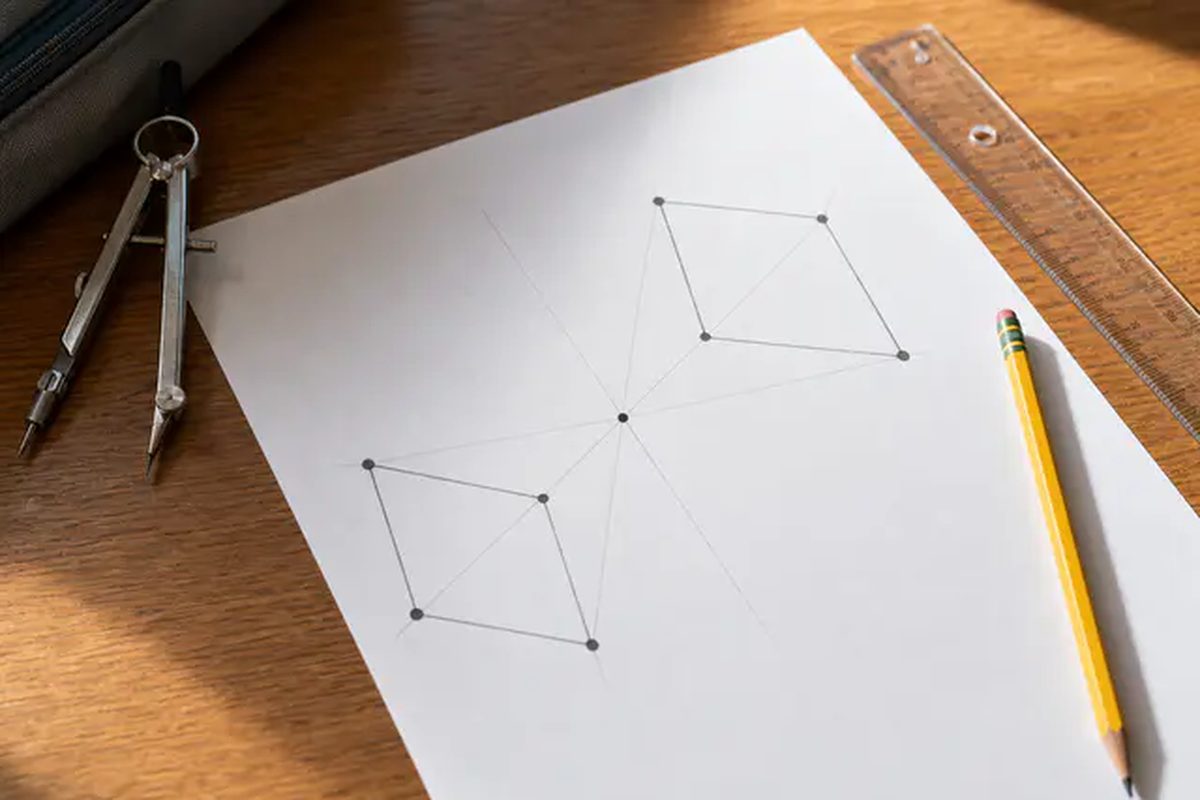
- Diagrams drawn together, so the student learns to see the problem
What Is Geometry Tutoring?
Geometry tutoring is one-on-one help with geometry — the mathematics of shapes, angles, lines and space. A tutor helps the student understand the ideas behind the formulas, work through proofs step by step, and practise with diagrams until the subject makes sense.
Geometry feels different from other math, and that is why students struggle with it. Algebra is mostly calculation: follow the steps, get the answer. Geometry asks the student to look at a shape, see what is true about it, and explain why — in a proof. That is a new kind of thinking, and schools often move through it fast.
A geometry tutor slows it down. Instead of memorising a list of theorems, the student learns a small set of ideas deeply: what makes triangles congruent, how angles in a shape relate, and how one true statement leads to the next. With those ideas solid, proofs stop feeling like a mystery and start feeling like a puzzle with rules.
The work is visual. Tutor and student draw together, label the diagram, and mark what is known before writing a single line of proof. Students who once stared at a blank page start to see the first step — and once the first step is clear, the rest follows.
What Geometry Tutoring Covers
Geometry tutoring covers the standard school course: lines and angles, triangles and their congruence, quadrilaterals, circles, area and volume, transformations, and coordinate geometry. It also covers the part students find hardest — proofs.
Sessions can focus on the whole course or on a single trouble spot: a student who is fine with calculations but lost on proofs gets proof practice; a student who is lost on circles gets circle theorems, one at a time.
- Lines, angles and parallel lines — the foundation of the course
- Triangles: congruence, similarity, and the Pythagorean theorem
- Circles: arcs, chords, tangents and circle theorems
- Proofs: two-column, paragraph and flow proofs, step by step
- Coordinate geometry: lines, distance and shapes on a grid
How a Geometry Session Works
A session usually starts with a problem from the student's schoolwork. The tutor and student draw the diagram together and mark everything that is given — equal sides, right angles, parallel lines. That step alone solves half the confusion: most geometry mistakes come from a diagram that was never properly labelled.
Then the tutor asks the student what can be said next, and why. Each statement needs a reason, and the tutor helps the student find it. Over weeks, the student learns to ask those questions alone — which is exactly what a proof is.
- Draw and label the diagram before writing anything
- Mark what is given — equal sides, right angles, parallel lines
- Find the next true statement, and the reason behind it
- Build the proof one step at a time, checking each step
Why Proofs Feel So Hard
Proofs are hard because they ask for two things at once: the math, and the explanation. A student may see that two triangles are congruent but not know how to say why. Or they may know the reason but not know which step comes first.
The fix is practice with structure. A tutor teaches a small set of proof patterns — the ones that appear again and again — and practises them until the student recognises the pattern in a new problem. Proofs become less about inspiration and more about method.
- Proofs need both the answer and the reason — a new skill for most students
- A few proof patterns appear again and again; learning them helps everywhere
- Starting a proof is the hardest part — a tutor teaches how to find the first step
- Practice with structure beats staring at a blank page
Signs a Student Needs a Geometry Tutor
- The student can calculate but cannot write a proof
- Angles, triangles and circles all blur together
- Homework takes long because the student does not know where to start
- The student memorises theorems but cannot use them in a problem
- Geometry grades are well below algebra grades
- The student says geometry makes no sense, even after class
What Geometry Tutoring Includes
- A short assessment to find where the student's geometry breaks down
- One-on-one sessions, online or in-home
- Proofs taught step by step, with the logic explained in plain words
- Help with school homework and upcoming geometry tests
- Progress updates for parents, in plain language
How Geometry Tutoring Works
Free Consultation
A conversation about the student's geometry level, schoolwork and goals.
Assessment
A short check of what the student can do, and where geometry breaks down.
The Plan
Sessions built around the weak spots — often proofs, circles or triangles.
Sessions and Adjustments
Weekly sessions with practice, and a plan that moves as the student improves.
Ways to Get Geometry Help
ONE-ON-ONE
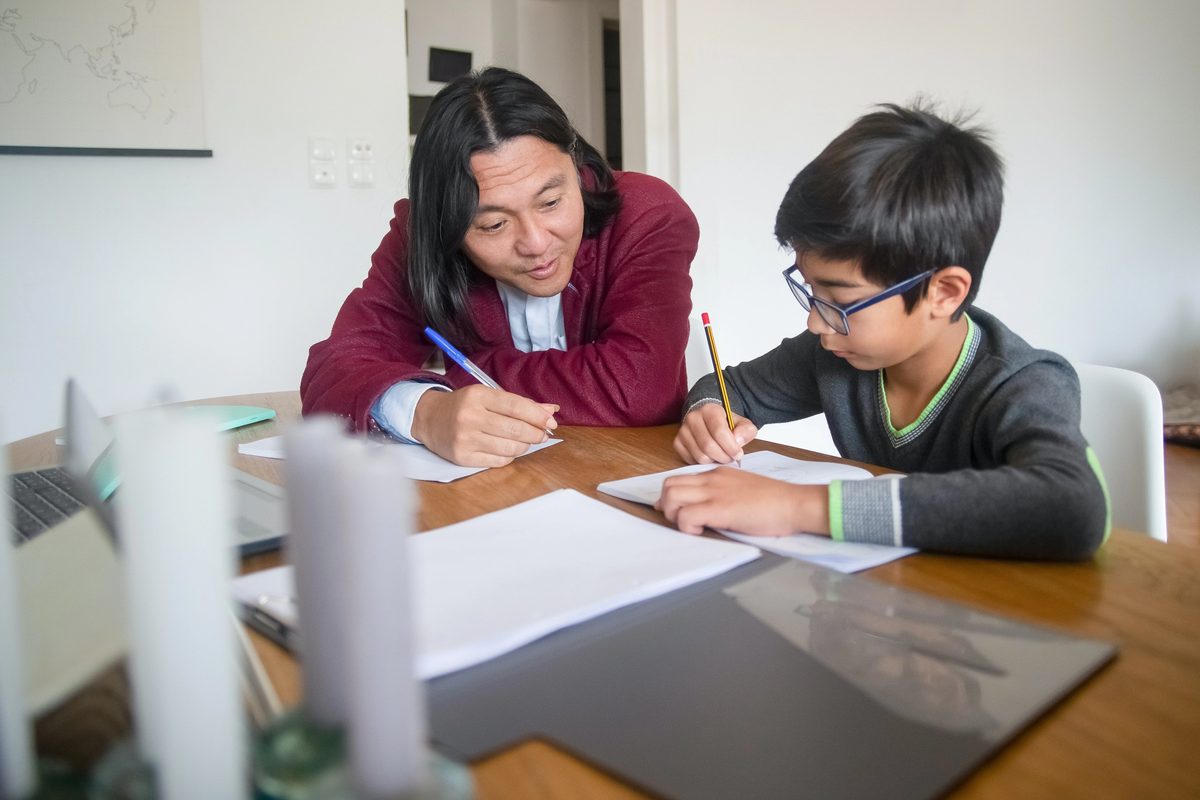
A tutor and a student, drawing diagrams and building proofs together.
Good for: Students who are stuck on proofs or a specific topic
Explore →
ONLINE
Sessions by video call with a shared whiteboard — ideal for drawing diagrams.
Good for: Most students — geometry works well on a shared whiteboard
Explore →
IN-HOME
A tutor at the table, working through homework and proofs face to face.
Good for: Younger students and hands-on learners
Explore →
SMALL GROUP
Two or three students at a similar level, sharing a tutor.
Good for: Siblings or classmates in the same geometry class
Explore →Common Mistakes
- Memorising theorems without understanding what they mean
- Skipping the diagram and jumping straight to the answer
- Writing a proof without a reason for each step
- Practising only easy problems and avoiding proofs
Who Is Geometry Tutoring For?
Geometry tutoring suits middle and high school students taking a geometry course — especially students who are fine with algebra but lost on proofs, students who find the subject visual and confusing, and students preparing for a geometry test or a final exam.
What Affects the Cost of Geometry Tutoring?
The cost of geometry tutoring depends on the student's level, the tutor's background, and whether sessions are online or in-home. Proof-heavy work usually takes more preparation than basic homework help. Online sessions often cost less than in-home sessions because there is no travel. How often sessions happen matters too — one steady session a week usually works better than irregular long sessions. Our cost guide explains each factor in detail.
How to Choose a Geometry Tutoring Tutor
Look for a geometry tutor who draws the diagram first and asks the student to mark what is given. A good tutor explains the reason behind each step, not just the answer. Ask the tutor to work through a proof in the first session and watch whether the student follows the logic. If the student can explain the next step, the teaching is working.
Related Tutoring
Math Tutoring
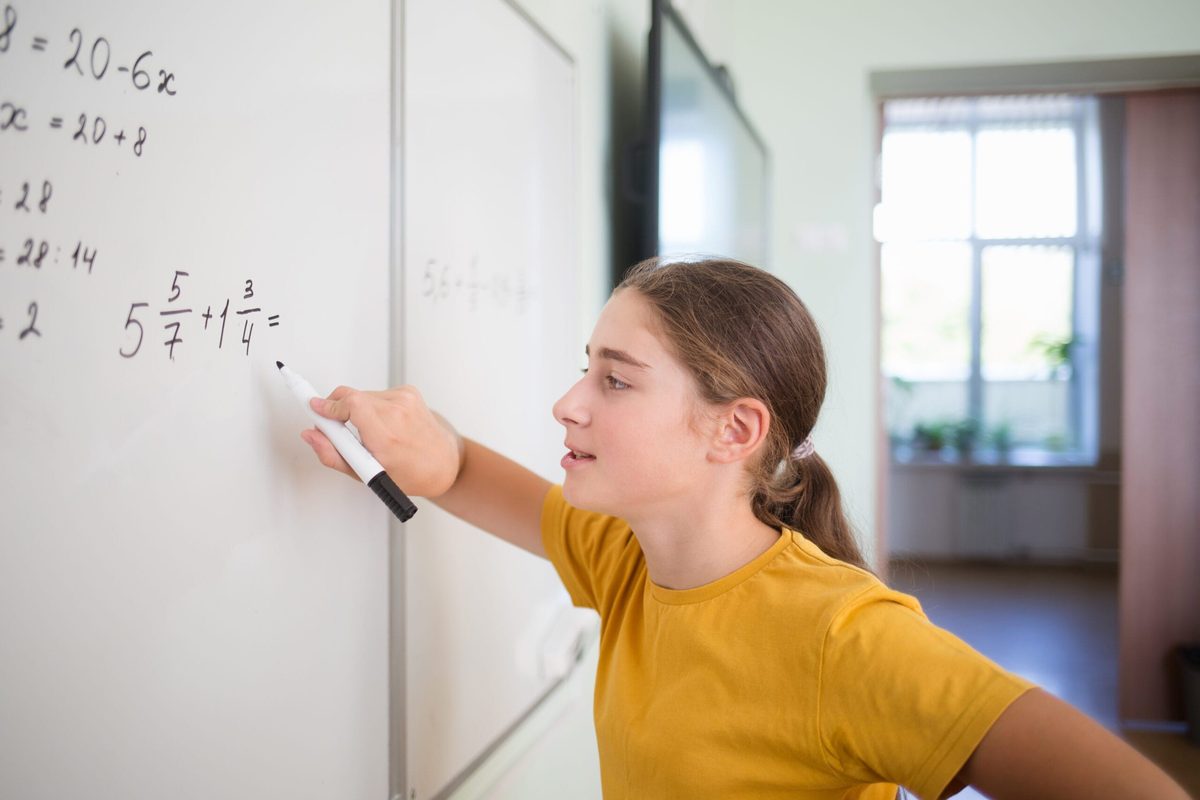
Math builds on itself. One missed idea can make the next year feel impossible. Math tutoring finds the missed idea and rebuilds from there.
Explore →
SAT Prep Tutoring
The SAT rewards preparation. A tutor finds the student's weak sections, builds a study plan, and practises with real test questions until test day feels familiar.
Explore →
Executive Functioning Coaching
Some students know the material but cannot get the work done. Executive functioning coaching teaches the skills behind the schoolwork: planning, starting, finishing.
Explore →Frequently Asked Questions
What does geometry tutoring cover?
Lines and angles, triangles, quadrilaterals, circles, area and volume, transformations and coordinate geometry — plus proofs, which are the part most students find hardest.
Why is geometry harder than algebra for many students?
Algebra is mostly calculation; geometry asks the student to see what is true about a shape and explain why. That visual and logical thinking is new for most students, and schools often move through it fast.
Can a tutor help my child with proofs?
Yes — proofs are the most common reason families seek geometry tutoring. A tutor teaches a small set of proof patterns step by step, and practises them until the student can start a proof alone.
How long does geometry tutoring take to work?
It depends on the gap. A student who is lost on one topic, like circles, can catch up in a few weeks. A student who is lost on the whole course usually needs a term of steady sessions.
Is online geometry tutoring effective?
Yes — geometry works well online, because tutor and student can share a whiteboard and draw diagrams together in real time. The tutor can see every line the student draws.
Does geometry tutoring help with homework?
Yes. Homework is often the best place to start, because it shows exactly where the student gets stuck. A tutor works through it with the student, then teaches the idea behind the questions.